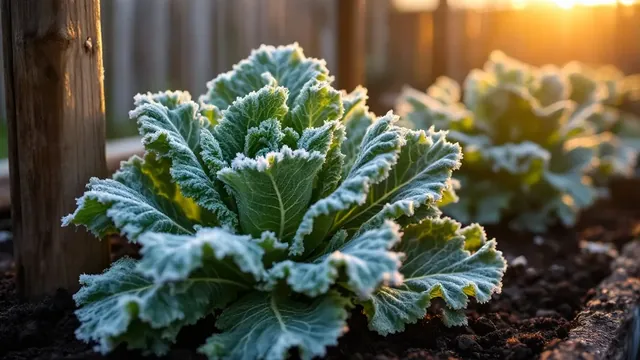
Vegetable Planting Calendar by Zip Code: 3 Steps
You know your zip code, and you want to know what to plant this month.
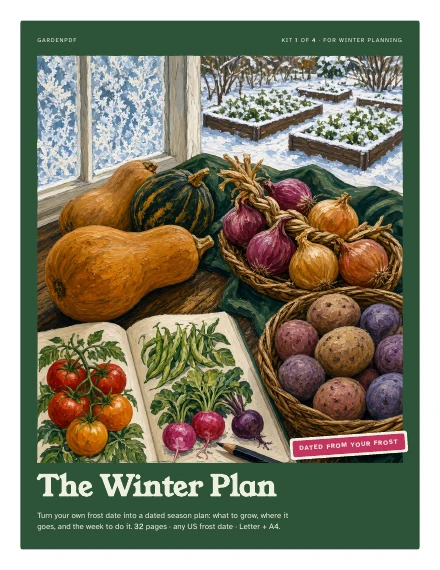
56 short, sourced guides on layouts, planting dates, seed starting, companion planting and garden records. They are listed with the most useful first, and each one points to the kit that does the work on paper.

You want to grow vegetables and every tool you find says it will plan the garden for you.
You know your zip code, and you want to know what to plant this month.
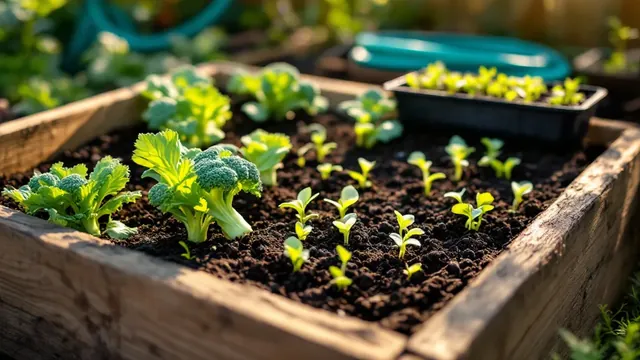
You want one calendar that tells you what to sow and plant each month.
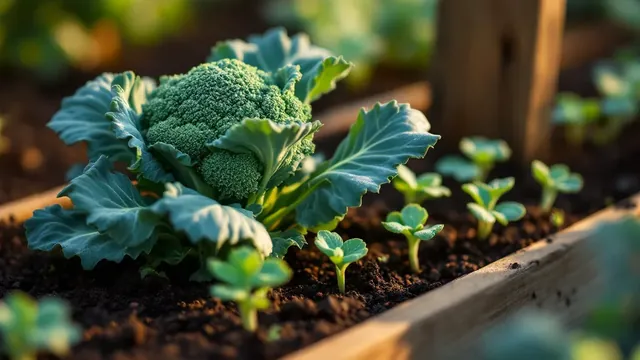
You have a packet of broccoli seed and no idea which week to open it.
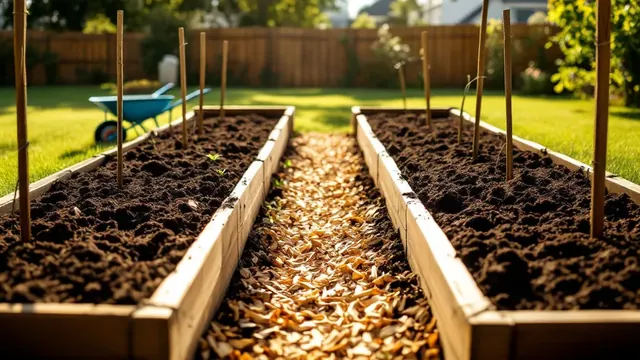
You have a patch of lawn and one season to turn it into vegetables.
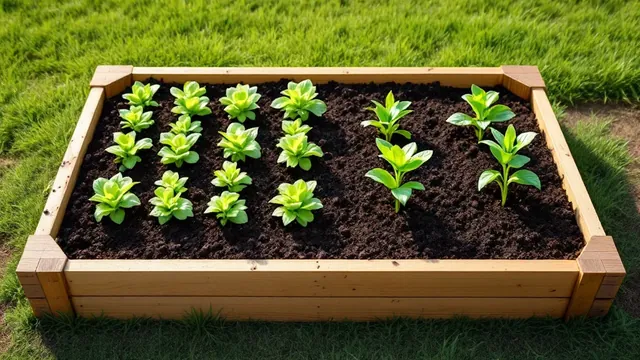
You have a raised bed, or you are about to build one, and you need to know what goes where.
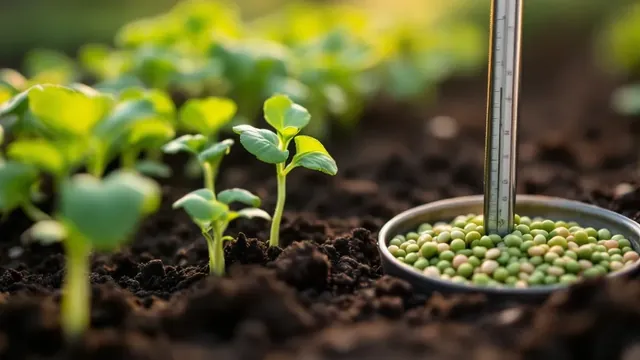
You have seed packets and a bare bed, and no idea which week to start.
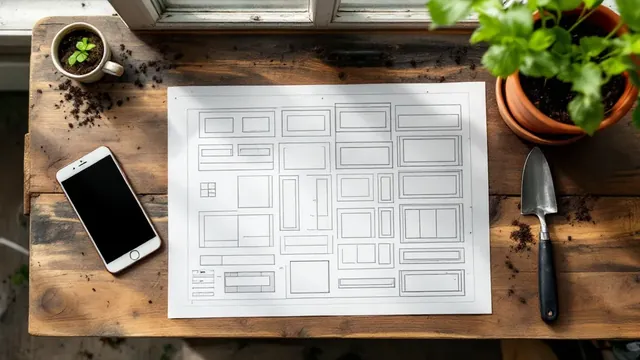
You have seen apps that promise to plan your whole garden, and you wonder what they really do.
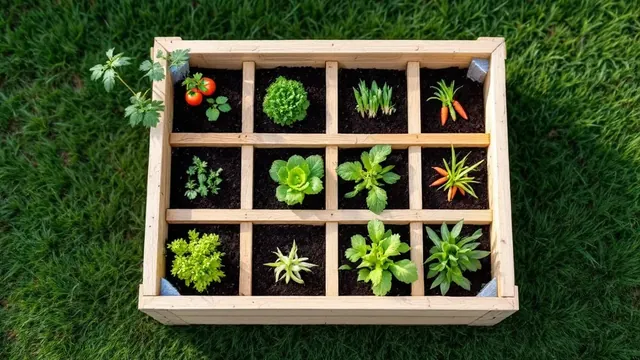
You have a 4x4 bed and a grid, and now you need to know what goes in each square.
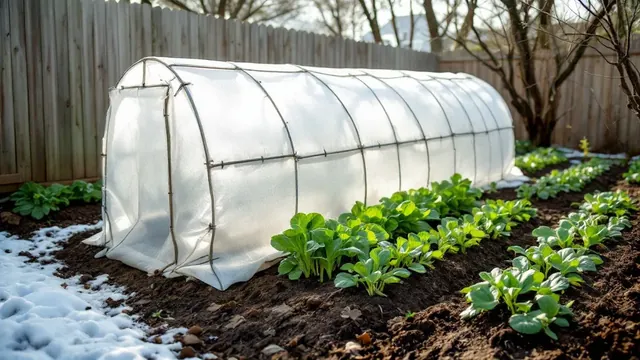
You know your zone, and you want dates instead of a number.
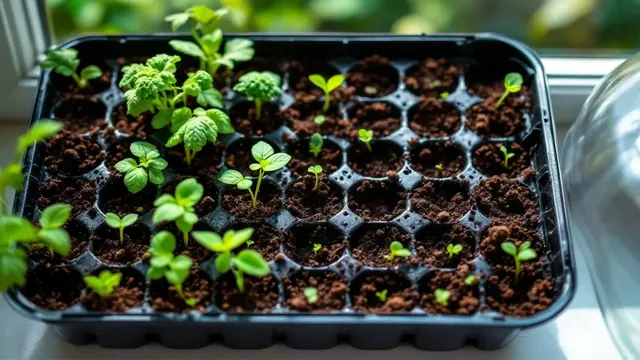
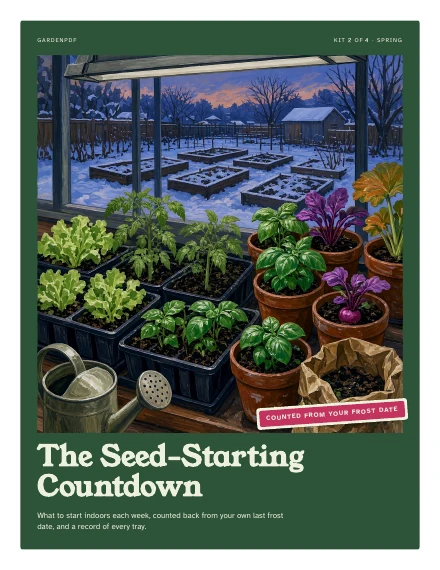
You have a windowsill, a bag of seed and a last frost date.
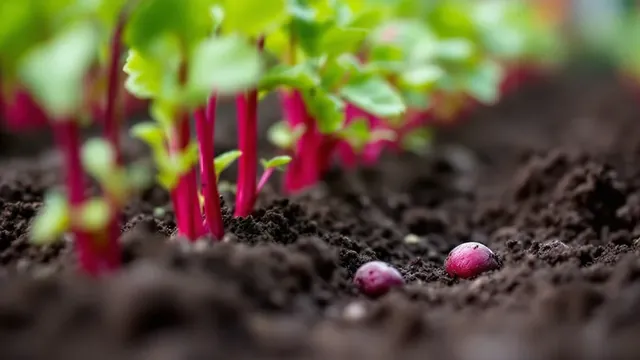
Beets are a cool-season crop, so the calendar matters at both ends of the year.
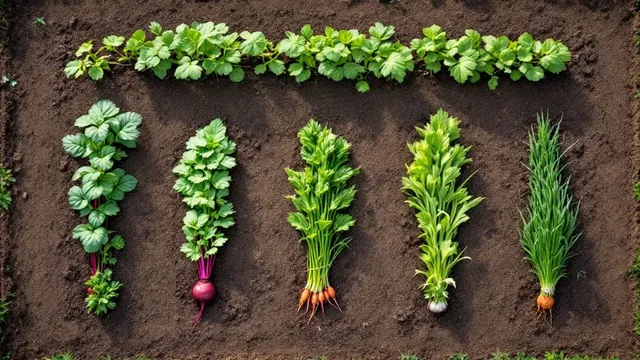
You have a patch of yard and more seed packets than space.
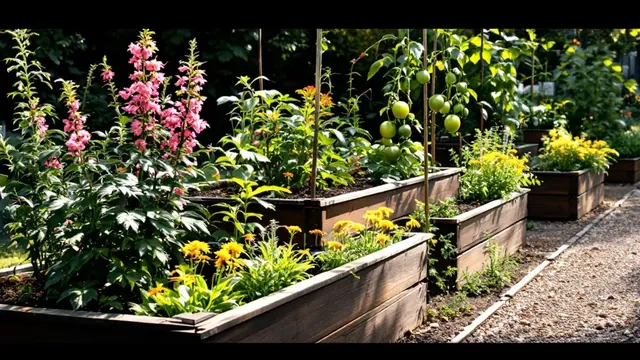
You have read about guilds, zones and layers and now you want them on a page.
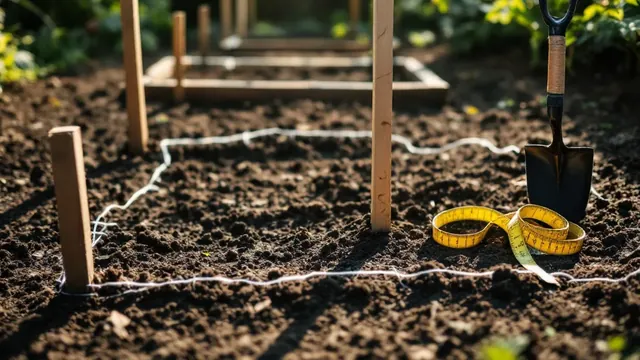
You have a patch of yard and a rough idea of where the vegetables should go.
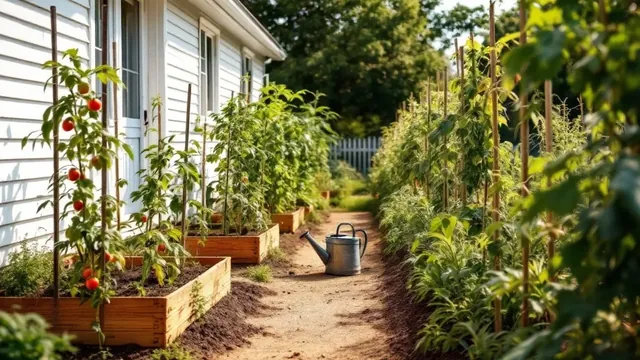
You want to plant a victory garden and you are not sure how big it should be.
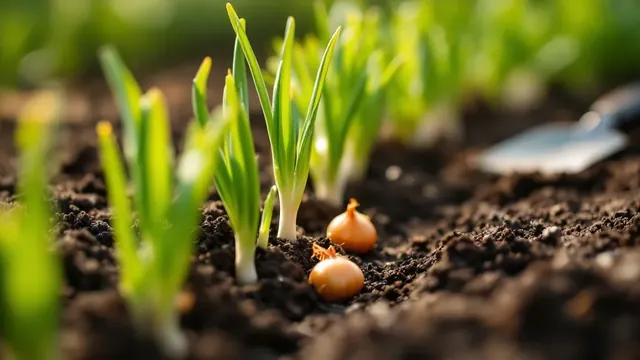
You have a packet of onion seeds and a last-frost date, and you want one sowing date.
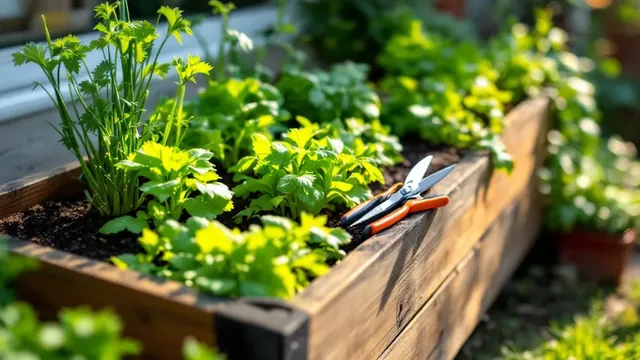
You want fresh herbs and salad within a few steps of the stove.
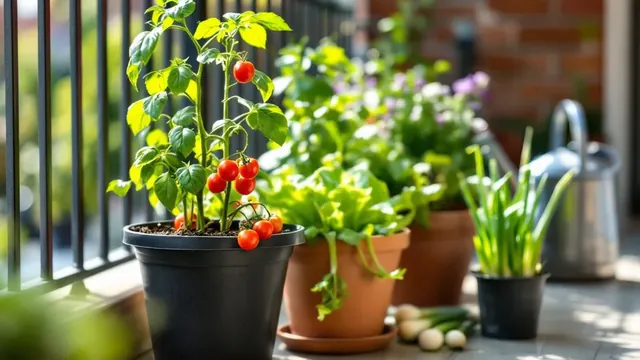
You have a balcony, a patio step or a few empty pots and no idea how many plants will fit.
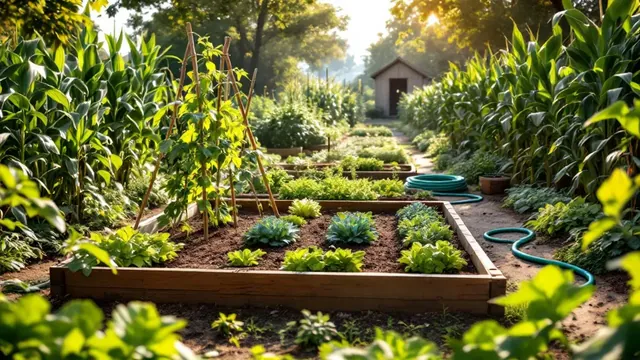
You have been handed a plot in a shared garden and you want to use every square foot of it well.
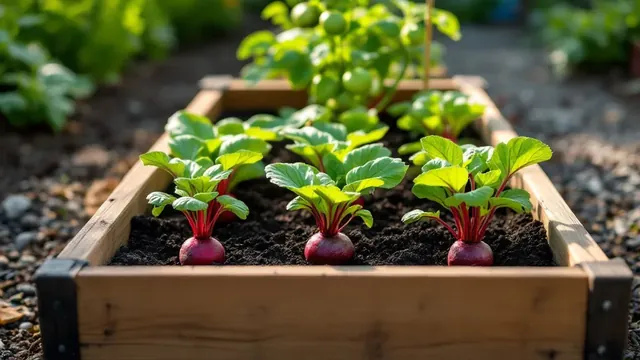
You have a few square feet and a long list of things you want to grow.
You want a planner you can print, write on and carry to the garden, and every free page looks a little different.
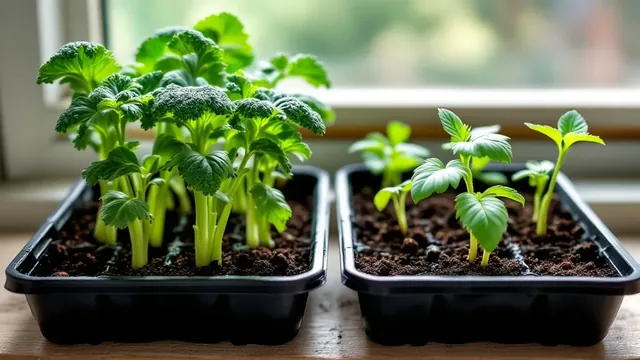
You have the seed packets, a bright windowsill and no idea which week to begin.
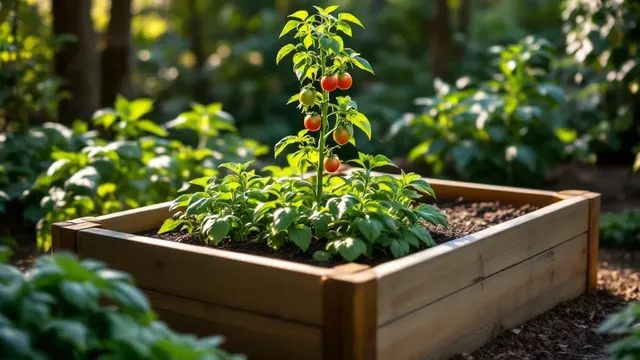
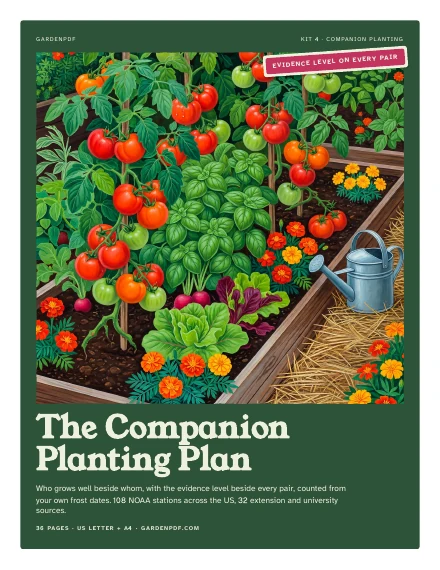
You want to know which plants to put next to which.
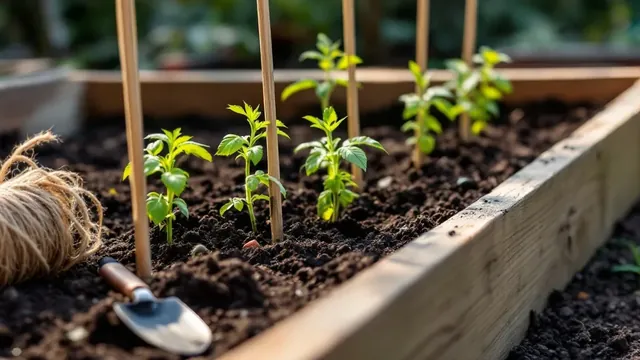
You have a list of vegetables you want and no idea how many of each will fit.
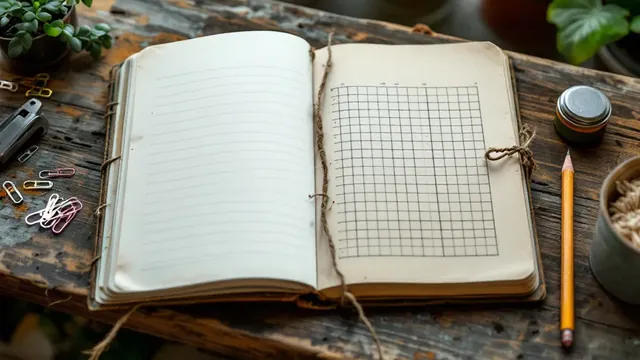
You would rather make your own planner than pay for one.
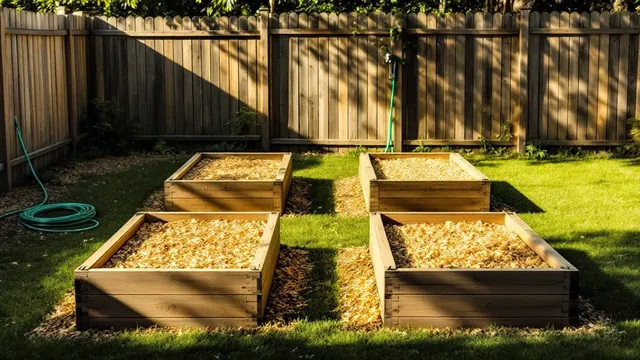
You have a whole yard and no idea where the vegetables should go.

Your summer bed is still producing and you wonder what you can still sow.
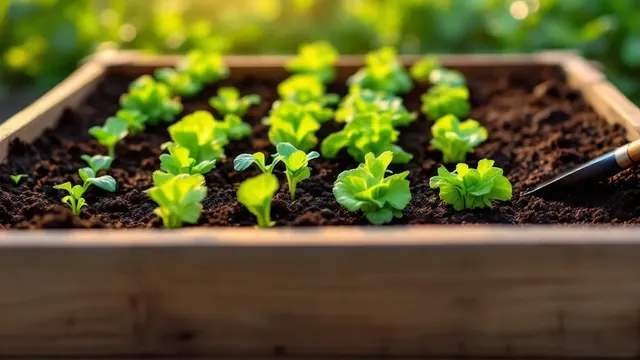
You sow a whole row of lettuce and it is all ready in the same week.
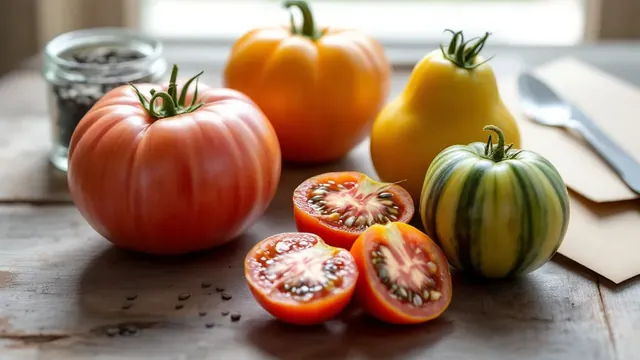
You grow heirloom varieties, and you want the same tomato or bean next year.

You have a drawer of half-used packets and no idea what is in it.

You want to keep a garden journal, but a blank page does not tell you what to write.

You want pages you can print and write on, not a blank notebook to stare at.
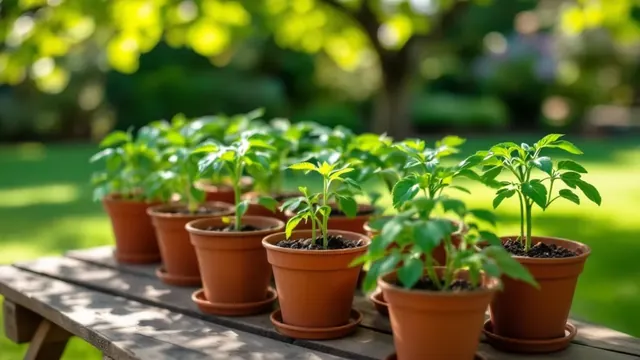
You have the seed packets and no idea which week to open them.
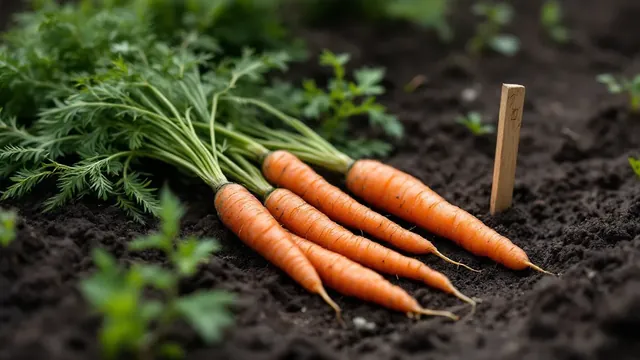
You have carrot seed and a bare bed, and you want sowing weeks you can write down.
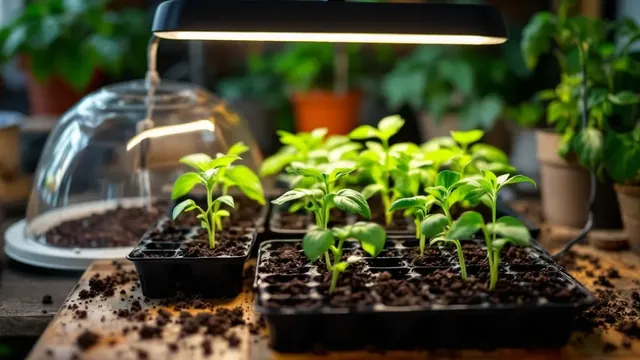
You have packets of seed and a last frost date, and you want to know which tray to sow first.
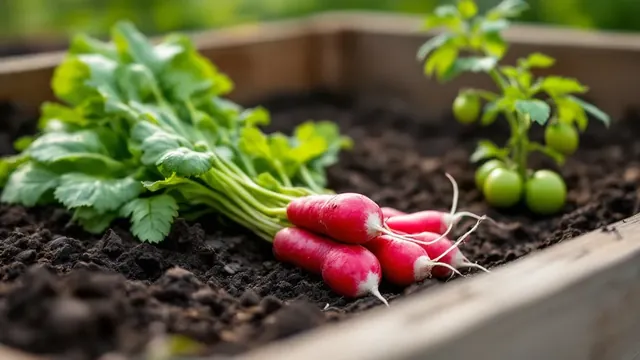
You want to know how soon the first radish, bean or tomato will be ready.

You have a packet of bean seeds and a garden that still feels cold.

You are about to put a bed in the ground that will outlast most of your other vegetables.

You found a drawer of old seed packets and need to know which ones to sow.

You have a strip along a fence or a lawn and no idea how deep to make it.
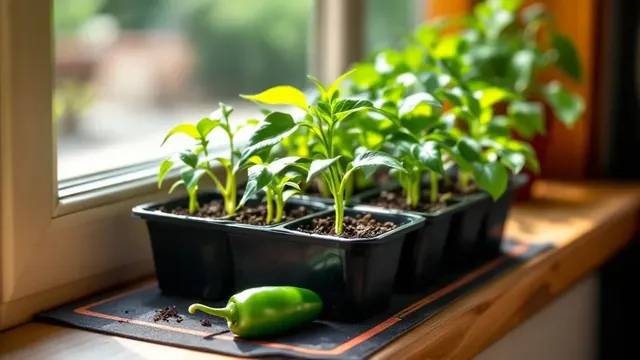
You have a packet of jalapeno seeds and a last frost date.
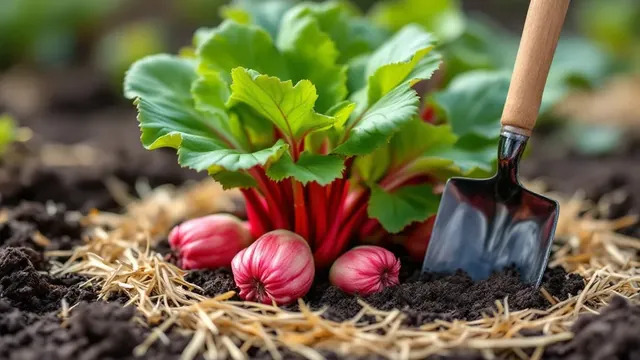
You have a rhubarb crown in a bag, or a neighbour has offered you a division.
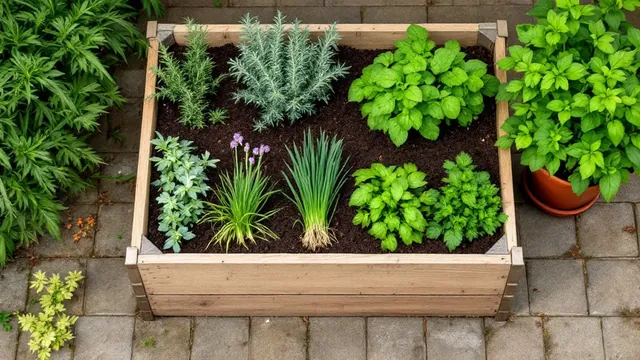
You have a bare bed, a tray of herb seedlings and no idea who should sit next to whom.
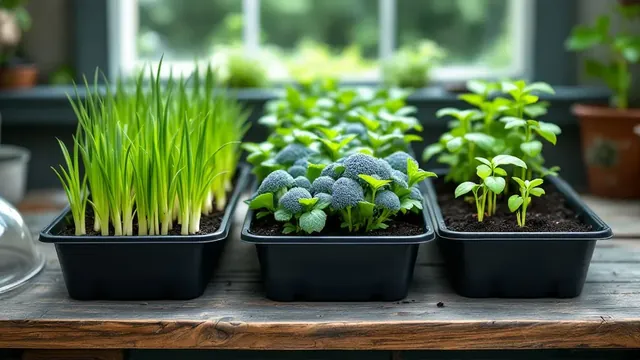
You have a pile of seed packets and no idea which one goes first.
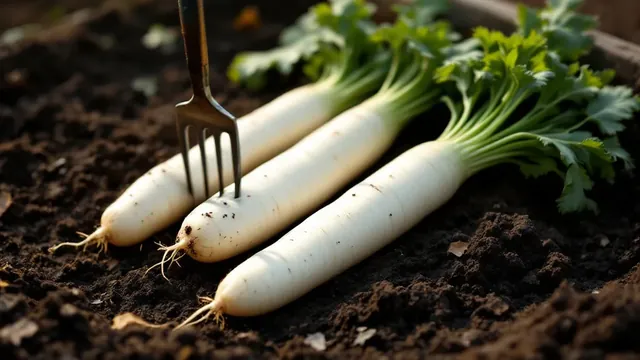
You have daikon seed and a late-summer bed, and you want the week to sow.
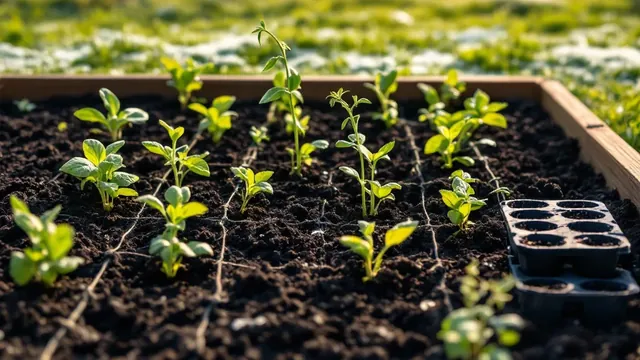
Spring feels crowded because everything seems to need doing at once.
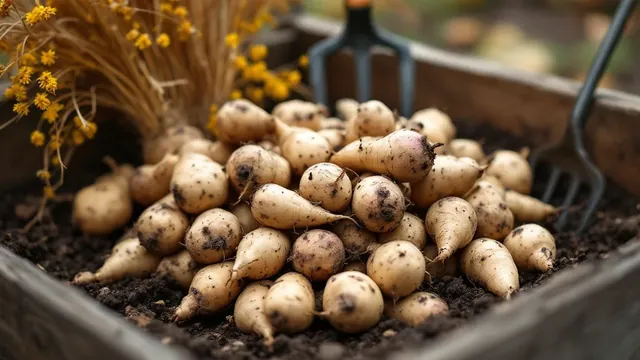
Sunchokes are easy to plant and hard to get rid of.

Chamomile is easy to grow once you have the dates.
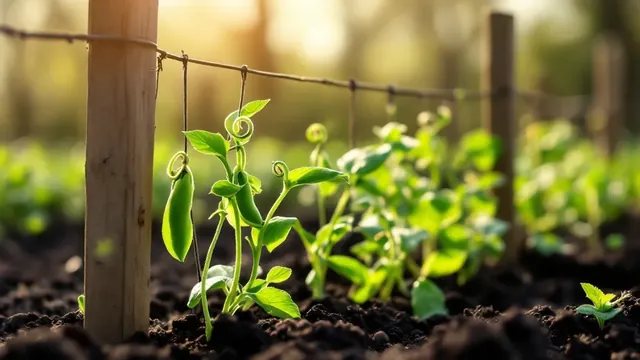
Peas want to go in the ground before almost anything else.
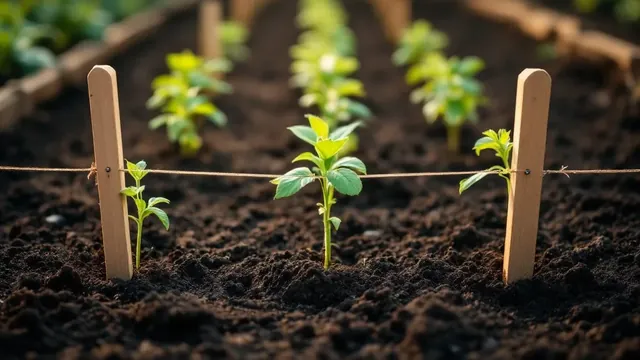
You have a blank sheet and a seed catalog.
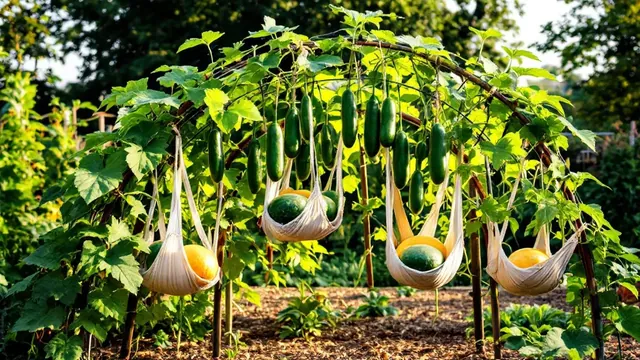
You want to grow up instead of out.
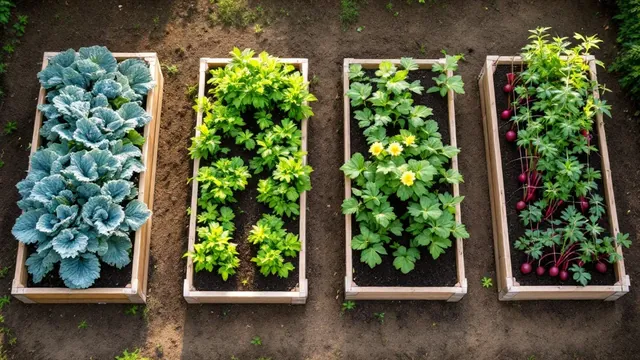
You grow tomatoes, kale and beans, and you do not want any of them back in the same bed next year.
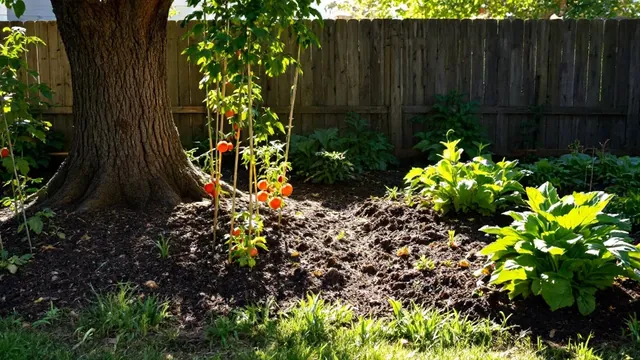
Your plot sits in the shade of a fence or a tree, and you are not sure what will grow there.
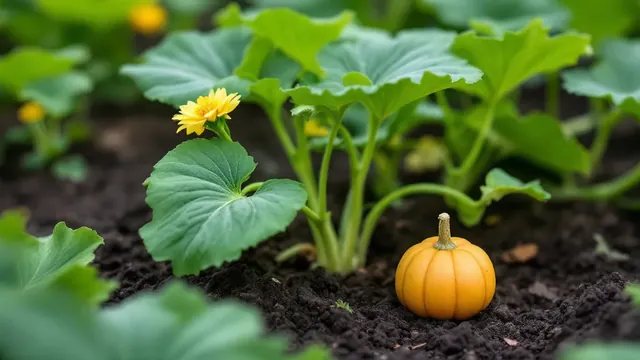
You hold a packet of butternut or acorn seed and want to know if you are too early or too late.
You want to feed your vegetables without synthetic fertilizer and need to know what to write down.
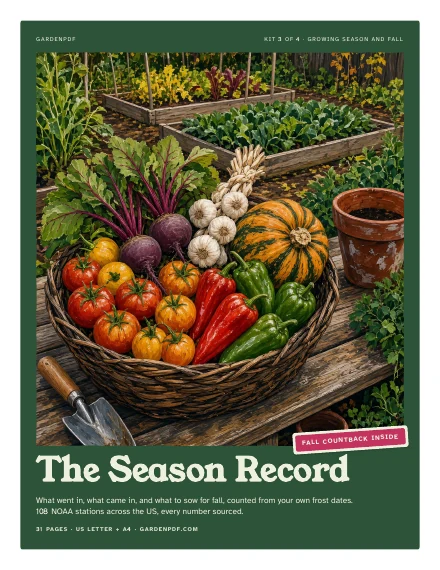
All four kits, together worth $28.00. One payment, no account, US Letter and A4.